Activated Carbon For Soil Amendment
- 홈 /
- 활성탄 /
- 활성탄의 용도 /
- 농업 분야에서 활성탄의 용도 /
-
토양용 활성탄
What Is Activated Carbon for Soil Amendment?
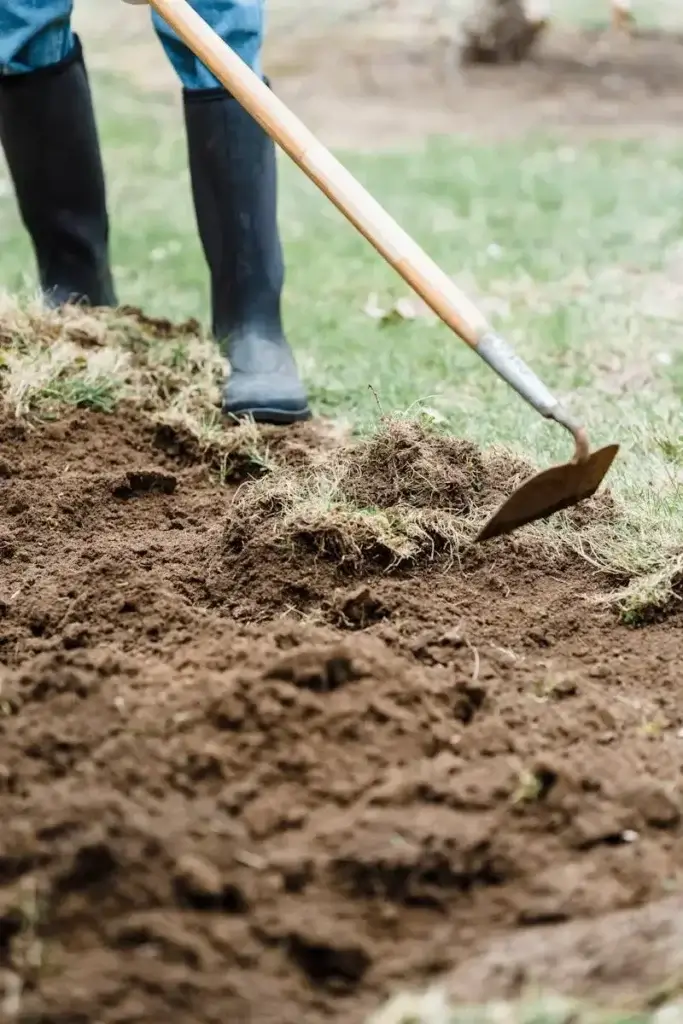
Activated carbon for soil modification refers to the process of deliberately incorporating activated carbon into agricultural and horticultural land. This amendment material consists of conventional activated carbon and biochar organic compound produced through the oxygen-limited decomposition of organic biomass. The application aims to optimise the soil’s physical, chemical and biological properties, thereby boosting crop yields, eliminating soil contaminants and sustaining long-term soil health.
Unlike conventional soil amendments such as compost, lime, or synthetic fertilizers that primarily add nutrients or adjust pH, activated carbon improves soil function through adsorption — its extensive internal pore network captures and retains pesticide residues, herbicide carry-overs, heavy metal ions, and phytotoxic organic compounds that impair plant growth and soil biology. Simultaneously, the porous carbon structure creates microhabitat for beneficial soil microorganisms, improves soil aggregation, enhances moisture retention in light sandy soils, and reduces leaching of nutrients and agrochemicals from the root zone — delivering a multi-dimensional soil improvement effect that persists in the soil for decades due to carbon’s chemical stability.
As global agricultural soils face intensifying pressures from chemical accumulation, erosion, compaction, and declining organic matter content, activated carbon soil amendment is gaining recognition as a scientifically validated tool for soil rehabilitation, sustainable intensification, and agricultural carbon sequestration — offering measurable agronomic, environmental, and climate benefits within a single soil treatment.
Key Advantages of Activated Carbon for Soil Amendment
-
Effective Pesticide and Herbicide Residue Remediation: Activated carbon adsorbs persistent herbicide and pesticide residues from contaminated soils — neutralizing phytotoxic compounds that damage subsequent crops, enabling shorter rotational intervals, and rehabilitating chemically impacted fields for productive agricultural use without waiting for natural degradation.
-
Heavy Metal Immobilization for Food Safety Protection: Activated carbon immobilizes cadmium, lead, arsenic, and other heavy metal contaminants in agricultural soils — reducing their bioavailability and uptake into crops, protecting food chain safety, and enabling productive farming on soils that would otherwise be unsuitable for food crop production.
-
Improved Soil Water and Nutrient Retention: The microporous structure of activated carbon increases soil water holding capacity in light, sandy soils and reduces nutrient leaching — improving drought resilience, reducing irrigation requirements, and increasing fertilizer use efficiency in nutrient-deficient or structurally degraded agricultural soils.
- Support for Beneficial Soil Microbial Communities: Activated carbon's pore structure provides protected microhabitat for beneficial bacteria, fungi, and mycorrhizal networks — supporting soil biological diversity, improving nutrient cycling, and enhancing natural disease suppression mechanisms that reduce dependence on synthetic agrochemicals in intensively farmed soils.
-
Long-Term Carbon Sequestration and Climate Benefit: Chemically stable activated carbon and biochar amendments persist in soil for hundreds to thousands of years — sequestering atmospheric carbon, contributing to agricultural carbon footprint reduction, and supporting the carbon credit and sustainability certification schemes increasingly valued by food retailers and agricultural policy frameworks.
업계의 과제
Heavy Metal Accumulation in Agricultural Soils Persists Long After the Original Contamination Source Is Removed
Lead, cadmium, arsenic, and chromium deposited through industrial discharge, mining runoff, and the long-term application of phosphate fertilizers bind tightly to soil particles and resist natural leaching or biological degradation — meaning contaminated farmland remains a liability for decades without active immobilization intervention, and crops grown on untreated soils continue to accumulate toxic metals at concentrations that fail food safety thresholds in export markets.
Persistent Organic Pollutants Resist Conventional Soil Remediation Methods
Residual pesticides, polycyclic aromatic hydrocarbons, and chlorinated compounds from decades of agricultural and industrial activity are hydrophobic, low-volatility molecules that conventional soil washing, thermal treatment, and bioremediation approaches cannot efficiently address at field scale — leaving land managers with remediation timelines measured in years and rehabilitation costs that frequently exceed the productive value of the land itself.
Contaminant Bioavailability Rather Than Total Concentration Determines Actual Crop Uptake Risk
Regulatory risk assessment and remediation success are increasingly evaluated on the basis of bioavailable contaminant fractions rather than total soil concentration — yet many conventional amendment strategies reduce bulk contamination figures without meaningfully suppressing the mobile, pore-water-dissolved pollutant fractions that plant roots actually absorb, creating a compliance gap that persists even after treatment is declared complete.
제품 개요
활성탄
AGRI-PW-600
Specific Use Scenarios — Decolorization Activated Carbon
Contaminated Farmland Rehabilitation
Brownfield and Post-Industrial Land Reclamation
Pesticide and Agrochemical Residue Management
Ethylene and Volatile Organic Compound Control in Greenhouse Soils
Heavy Metal Immobilization in Urban and Peri-Urban Green Spaces
Soil Carbon Enrichment for Degraded Agricultural Land
Remediation Support in Phytoremediation Programs
Tailings and Mine Waste Soil Stabilization
Our Gold Extraction Activated Carbon Advantages
Superior Gold Adsorption Capacity
High BET surface area and optimal micro-pore capacity maximise the amount of gold cyanide compound loading per ton of carbon, decrease the amount of carbon stock and enhance the efficiency of the circuitry, and raise the yield of CIP, CIL and CIC.
Exceptional Attrition Resistance
High mechanical rigidity and poor friability will minimise the amount of carbon degradation in the mixing process, decrease the formation of fine and gold in the tailings, reduce the amount of carbon substitution and the total treatment cost.
안정적인 용출 및 재활성화 성능
최소한의 회분 함량으로 매우 높은 화학적 순도를 자랑합니다. 이러한 특성 덕분에 식품 및 음료 제조나 의약품 세척과 같은 민감한 공정에서 원치 않는 오염을 방지할 수 있습니다.
모든 활성탄 카테고리 보기
Industrial Solutions
포장 및 물류 서비스
안전하고 맞춤형 포장
제품은 운송 중 청결성과 완전성을 보장할 수 있도록 내구성이 뛰어나고 방습 기능이 있는 파우치 또는 대용량 용기에 포장되어야 합니다. 특수한 크기나 취급 요구 사항에 맞춘 맞춤형 포장 옵션도 제공됩니다.
신뢰할 수 있고 유연한 글로벌 배송
신뢰할 수 있는 물류 파트너사와 협력하여 해상, 항공 및 육상 화물에 대한 유연한 배송 시스템을 제공합니다. 전 세계 목적지까지 신속하고 안전한 운송을 보장합니다.
주문 및 지원 전담 조정
당사는 주문 확정부터 최종 출하에 이르기까지의 전 과정을 추적하고 기록할 수 있도록 특별한 지원을 제공합니다. 공급망 운영의 성공을 보장하기 위해 기술 및 물류 지원을 제공합니다.
여러분에게 딱 맞는 산업용 솔루션을 찾아보실 준비가 되셨나요?
주문 방법!
자세한 문의 사항을 보내주시거나, 귀사의 활성탄 요구 사항에 맞춘 견적을 요청해 주십시오.