산업용 가스용 활성탄

Active Carbon is a key component in cleaning industry, providing a dependable way to remove sulphur, mercury, VOCs, and other microcontaminants in the flow of the process.
Industrial Waste Gas Activated Carbon Featured Image

What Is Industrial Gas Activated Carbon?

AFCO is a specially designed class of active carbon that is used during the entire manufacturing, treatment and cleaning of the industrial gas to eliminate pollutants that threaten the efficiency of the process, destroy the downstream facilities, poison the catalytic converter, and impede the compliance of the treated gas with the purity criteria of the product.

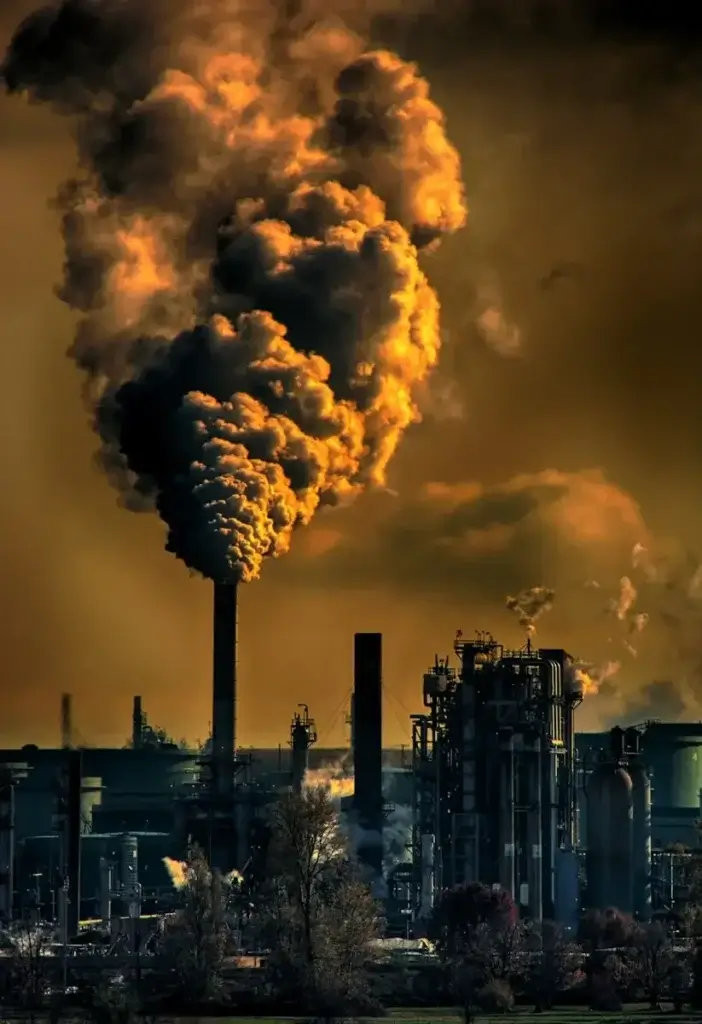
The process of industrial gas – which comprises hydrogen, natural gas, synthetic gas (syngas), nitrogen, CO2, and LPG (LPG) – is seldom clean at the place of manufacture. They have different concentrations of sulphur (H₂S, COS, thiol), Hg, As, Chlorine, Chlorine, Volatile Organic Compounds (VOCs), as well as other micro-contaminants, which need to be cut down to parts per trillion in order to ensure safe treatment, transportation and sale. Not only are these pollutants a matter of quality – they are irreversible deactivation of valuable metallic and base-metal catalysts for downstream reformation, hydrogenation, and synthetic reactions, resulting in disastrous process losses that greatly exceed those associated with upstream purification.

Active carbon solves this problem by combining physical absorption and — in the case of an impregnated grade — chemical absorption, providing pollutant removal performance that no other single material solution could match across the entire range of industrial gas cleaning needs. The ability to adapt to a variety of gas components, working pressures, and temperature conditions has enabled it to be the preferred material in the world’s most demanding sectors.

Key Advantages of Industrial Gas Activated Carbon

The selection of appropriate active carbon levels for industrial gas cleaning will have a direct impact on the lifetime of the catalyst, on the purity of the product, and on the economy of the whole process. HPC Active Carbon Provides Measurable Benefits at All Key Phases of Cleaning:
Because of these properties, active carbon has become an essential frontrunner in the world’s industrial gas value chain – from well head air conditioning to super high purity speciality gas.

업계의 과제

Sulfur Compounds Irreversibly Poison Downstream Catalysts

Even tiny amounts of H₂S, COS, and thiols in the parts per million range are able to cause permanent deactivation of valuable metallic catalysts for reforming, hydrotreating, and ammonia-synthesizing reactors.

Mercury Poses Catastrophic Risk to Cryogenic Equipment

Mercury presence of Hg in the NG and the LNG inlet flows is combined with the aluminium heat-exchangers of the low temperature treatment facility, which leads to the expensive shutdown of the facility, the large-scale replacement of the equipment and the severe security events.

Carbon Bed Breakthrough Causes Costly Process Disruptions

In an ongoing process of producing natural gas in an industry, unforeseen levels of carbon saturation and contamination will cause unscheduled CCS shutdown, which will upset the downstream generation plans and cause substantial economic damage far exceeding the actual price of carbon.

제품 개요

활성탄

IND-ECL-40

Specific Use Scenarios — Biogas Activated Carbon

Hydrogen Sulfide (H₂S) Removal

Hydrogen generated by vapor methane reforming (SMR), coal-gas gasification, or electrolysing comprises microamounts of sulphur compounds — especially H₂S and COS — which have to be eliminated to below 0.1 parts per million in order to make it usable for a fuel cell, a hydrocracker, or a semiconductor fabrication process. Active carbon, especially sulphur impregnated and potassium iodine-impregnated grades, offers a profound desulfurizing capability in a protective bed arrangement upstream of a valuable metallic catalyst to avoid irreversible sulfides and to preserve long term activity and selectivity of the downstream process catalysts.

Natural Gas Sweetening and Mercury Removal

The crude gas drawn from the reservoir is commonly found in the presence of H ₂ s, thiols, and Hg in excess of the standard of the pipe, which is a major hazard to the downstream treatment facility. Sulfur-impregnated Active Carbon is an industry standard for removing Hg from the supply flow of natural gas and LNG, with an exit Hg of less than 0.01μg/Nm3 to prevent the melting of low temperature aluminium heat-exchangers. Granular ACCC also offers efficient thiol and light-sulphur composite polishing before the MGC.

Synthesis Gas (Syngas) Conditioning

Syngas generated from coal, biomass, or gas gasifications for the purpose of synthetic ammonia, methanol, or Fischer-Tropsch fuel production includes sulphur, chloromethane, and microamounts of heavy metals which have to be eliminated prior to coming into contact with a synthetic catalyst. Active Carbon Guard Beds located upstream of the Synthetic Circuit are able to capture such Catalyst Toxins at Trace Concentration Levels, Prolonging Catalyst Lifetime, Decreasing Catalyst Substitution Rate, and Preserving Economic Viability of Large Scale.

CO₂ Purification for Food-Grade and Industrial Applications

The CO₂ for the production of foodstuffs and drinks, the treatment of drugs, and the enhancement of oil production has to comply with strict purity standards for VOCs, sulphur compounds, acetaldehyde, benzenes, and other micro-organic pollutants. Active carbon polishing beds – located at the end of CO ₂ liquefaction and cleaning trains – absorb such microcontaminants to a level lower than the detection threshold, allowing CO ₂ manufacturers to ensure that their products comply with food grade criteria, including ISBT and NSFC rules.

Nitrogen and Inert Gas Purification

High pure nitrogen is needed to remove remaining oxygen, water, hydrocarbons, and VOC residues in semiconductor manufacturing, electronic production, drug packaging, and chemical coating, which could endanger the integrity of the product or its technical properties. Active Carbon Polishing Phases, which are incorporated in the Nitrogen Generating and Purifying Systems (PSA) and Low Temperature Air Separation Devices (HPS), Low Temperature Isolation Devices (HPS) and Low Temperature Air Separation Devices (HPS), which will guarantee that the nitrogen is pure enough to comply with the parts per billion required for electronic and pharmaceutical end-users.

LPG and Hydrocarbon Gas Purification

LPG (LPG), propane, butane, and other light-hydrocarbon gas flows, which are used as fuel, petroleum-based raw materials, or aerosol propellants, shall not contain sulphur compounds, thiols, and fragrances which may lead to the smell of the product, the corrosion of the downstream facilities, and the pollution of the catalytic agent in the petrochemical plant. Active Carbon Treating Systems – Working in Vapor Phase and Liquid Phase – offer efficient Sulphur and Thiols Removal from LPG Flow to Meet Product Specifications and Safeguard Quality and Merchantability of Refined Hydrocarbon Products.

Our Industrial Gas Activated Carbon Advantages

Deep Contaminant Removal to Parts-Per-Billion Levels

Industrial grade active carbon provides the removal of sulphur compounds, mercury, and VOC to the ultra low concentration limits required for fuel cells, low temperatures, and catalyst sensitivity - protection of the downstream process assets and guaranteeing a uniform level of purity.

Catalyst Protection That Preserves Process Economics

Active Carbon Shield Bed can greatly prolong the useful life of valuable metallic catalysts by blocking the sulphur, chlorine, and heavy metal toxins in the upstream side of the reforming, hydrogenation, and ammonia-synthesizing reactor.

Mechanically Robust Performance Under High-Pressure Conditions

High quality column and granular active carbon grades designed for commercial gas use keep structure integrity, uniform bed density, and steady low-pressure-drop performance at high operational pressures typically associated with an industrial gas treatment facility - guaranteeing a secure, continuous cleaning over the entire carbon service cycle.

모든 활성탄 카테고리 보기

Industrial gas purification demands activated carbon grades engineered to exacting mechanical and adsorption performance standards — not general-purpose filtration media. We have a wide variety of active carbon products, such as pellets, columns, and special dipping grades, which are specially designed for high pressure gas service, deep-sulphur removing, mercury trapping and catalytic protective applications. View the complete active carbon catalogue for comparison of specifications, choose appropriate levels according to your technological requirements, and ask for Engineering Data Sheet.

모든 산업용 솔루션 보기

Industrial gas purification is one of many high-stakes applications where advanced chemical materials deliver critical process protection. Regardless of whether you are involved in petroleum-based, hydrometallurgical, food-grade, environmental-remediation, or water-treating, we offer a wide range of products — using active carbon, aluminum oxide, titanium dioxide, and other high performance materials. Search for appropriate handling methods for your particular technological context and product purity.

포장 및 물류 서비스

안전하고 맞춤형 포장

제품은 운송 중 청결성과 완전성을 보장할 수 있도록 내구성이 뛰어나고 방습 기능이 있는 파우치 또는 대용량 용기에 포장되어야 합니다. 특수한 크기나 취급 요구 사항에 맞춘 맞춤형 포장 옵션도 제공됩니다.

신뢰할 수 있고 유연한 글로벌 배송

신뢰할 수 있는 물류 파트너사와 협력하여 해상, 항공 및 육상 화물에 대한 유연한 배송 시스템을 제공합니다. 전 세계 목적지까지 신속하고 안전한 운송을 보장합니다.

주문 및 지원 전담 조정

당사는 주문 확정부터 최종 출하에 이르기까지의 전 과정을 추적하고 기록할 수 있도록 특별한 지원을 제공합니다. 공급망 운영의 성공을 보장하기 위해 기술 및 물류 지원을 제공합니다.

여러분에게 딱 맞는 산업용 솔루션을 찾아보실 준비가 되셨나요?

주문 방법!

자세한 문의 사항을 보내주시거나, 귀사의 활성탄 요구 사항에 맞춘 견적을 요청해 주십시오.
제품 상세 정보, 가격 및 배송 기간이 포함된 전체 제안서를 받아보세요.
주문을 확인하고 안전한 결제 절차를 진행해 주세요.
주문하신 상품은 처리 후 꼼꼼하게 포장되어 신속히 발송될 예정입니다.
전달 방식에 집중하시고, 주저하지 말고 당사의 기술 지원 전문가에게 문의해 주십시오.

지금 문의하세요!

맞춤형 견적이나 기술 지원을 원하시면 지금 바로 문의해 주세요.

문의하기